
-
9-11 Eleven Years Later
-
these engineers and architects are pretty dumb if they cant work the real 911 truth out....they should ...
-
-
China's Air Pollution Behind Erratic Weather in the U.S., say Climatologists
-
Coal is dirty, but what happens to Australia if Chinese consumption falls.

-
-
Community Chat Room Poll
-
I get the impression this chat will start ringing like crazy

-
-
UK Column Live 9th July 2012
-
as activist for ukip and supporter of uk column having passed around 100,000 copys of this paper ...
-
Latest Comments
EU loophole means children with cancer are denied drugs


- Details
- Created on Wednesday, 19 February 2014 20:22
- Written by marina
- Hits: 1579

In spite of a major drive to develop targeted drugs to "personalise" cancer treatments, children with cancer still have to put up with drugs that have remained largely unchanged for decades.
Currently it's too easy for pharmaceutical companies to focus their research only on adults. The result is that children with cancer are denied access to new developments in cancer treatments.
An EU law was introduced in 2007 to address this imbalance, but companies can too easily seek waivers to get around considering children when they develop cancer drugs. And experts have been calling for EU rules to be changed so that more potentially life-saving cancer drugs can be tested on children.
READ MORE: EU loophole means children with cancer are denied drugs
Scientists warn of chemical dangers in food packaging, but not without their critics
- Details
- Created on Wednesday, 19 February 2014 20:00
- Written by marina
- Hits: 1138
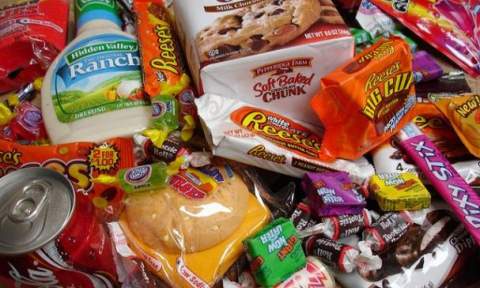
Environmental scientists have warned the long-term effects of synthetic chemicals used in packaging, food storage and processing food could be damaging our health.
In a paper published in the Journal of Epidemiology and Community Health, the authors said most of these chemicals were found in "food contact materials", including can coatings, laminates on cartons and glass jar seals. Small amounts of chemicals used in these materials can diffuse into food, and this can be accelerated by increased temperatures, the type of material used and the length of time foods were stored.
While some of these chemical migrants were regulated, such as indirect food additives in the US, they said, not all were and as a result contaminants (though not legally defined that way) mean consumers are "chronically exposed to synthetic chemicals at low levels throughout their lives, including the most sensitive periods of development".
READ MORE: Scientists warn of chemical dangers in food packaging, but not without their critics
Scientists Find That The Human Body Kills 'Spontaneous' Cancers Daily
- Details
- Created on Sunday, 16 February 2014 19:50
- Written by marina
- Hits: 1352
 Associate Professor David Tarlinton, Dr Stephen Nutt and Dr Axel Kallies have found that the immune system removes errant B cells before they become cancerous.
The research team from the Walter and Eliza Hall Institute found that the immune system was responsible for eliminating potentially cancerous immune B cells in their early stages, before they developed into B-cell lymphomas (also known as non-Hodgkin's lymphomas). The results of the study were published today in the journal Nature Medicine.
This immune surveillance accounts for what researchers at the institute call the 'surprising rarity' of B-cell lymphomas in the population, given how often these spontaneous changes occur. The discovery could lead to the development of an early-warning test that identifies patients at high risk of developing B-cell lymphomas, enabling proactive treatment to prevent tumours from growing.
READ MORE: Red alert: body kills ‘spontaneous’ blood cancers on a daily basis
Read more: Scientists Find That The Human Body Kills 'Spontaneous' Cancers Daily